
Grief and Loss
A loss, after all, always requires some kind of recognition, some sense that it has been witnessed and made real.

Dear Readers,
If you believe in the value of quality writing and the importance of creating a space for curiosity, critical thought, and meaningful dialogue, your subscription makes that possible.
Join as a paid subscriber to help build a community that values ideas, reflection, and the exploration of what it means to be human.
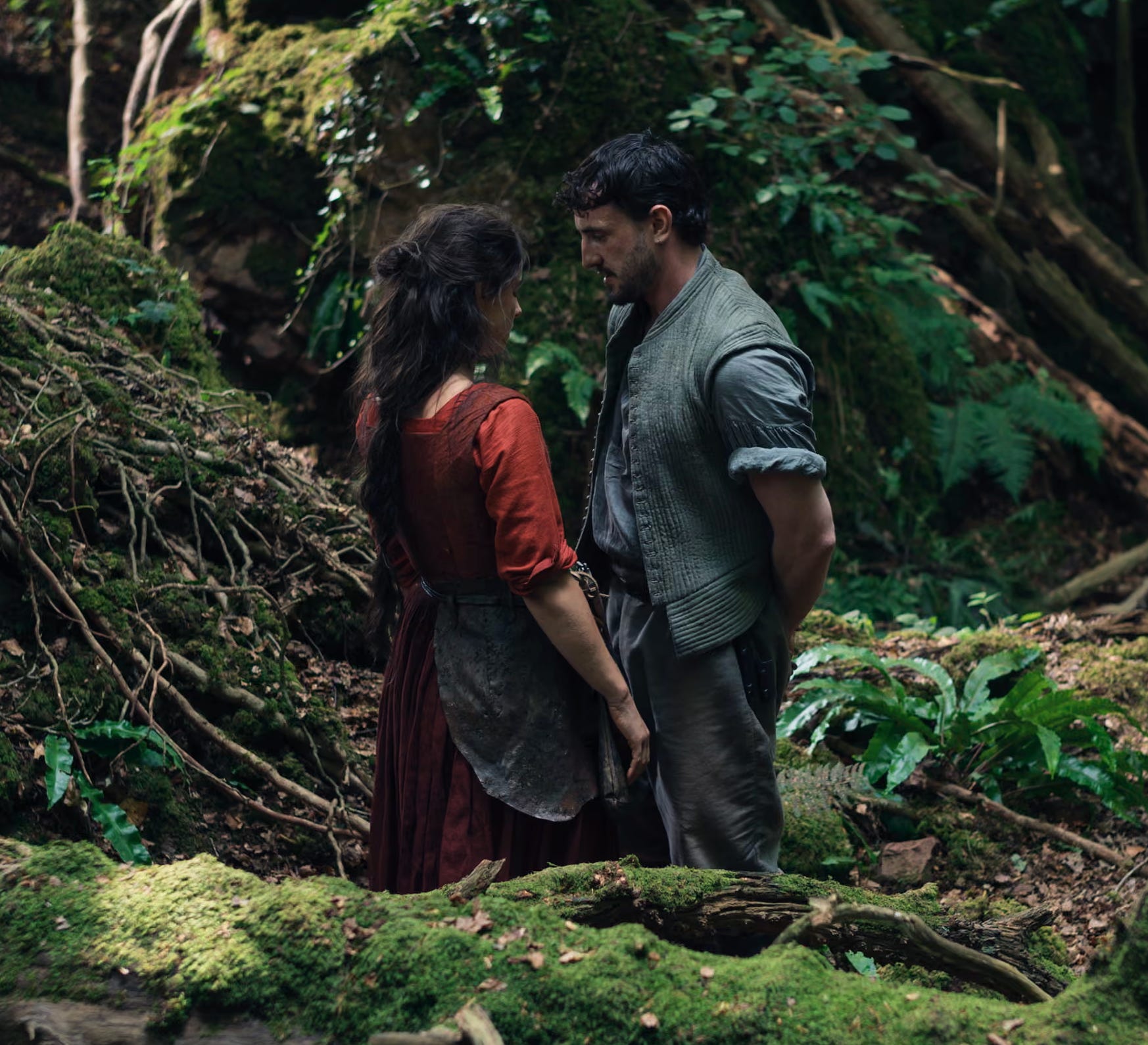
Although it’s awards all round for ‘Hamnet’, many bereaved people have been upset by the film and its perpetuation of ‘grief porn’. The depiction of the Shakespeare’s loss, and its role in inspiring ‘Hamlet’, was felt to be manipulative and stylised, with even Jessie Buckley’s traumatic, endless scream deemed inauthentic, and unlike the real convulsive cries and shrieks of grief emitted when receiving news of a death.
Without going into the merits or faults of the movie, we can consider the difference between the experience of loss and the more public, social registration of loss. A film, after all, is a public artefact, a product to be shared, and which will allow something to happen to each unique experience of grief. It can sometimes ignite long dormant feelings of mourning, or a resistance to grief, or act as a counterpoint. A patient described vomiting after seeing a film which, for him, was a pure and soulless exploitation of grief, allowing him to feel an anger which had perhaps first been directed at those who had ignored a childhood loss in his family.
A loss, after all, always requires some kind of recognition, some sense that it has been witnessed and made real. Contemporary efforts to commemorate and mark traumatic events of the past, from the horrors of the Great War to the injustice and violence in a country like South Africa, show this importance of symbolising and representing. The Truth and Reconciliation Commission was less about punishing the perpetrators than about recognising and registering their crimes. A separation, perhaps, only becomes a loss when it is registered.
A young couple fall in love and become engaged. The man goes to visit his family and tells them the good news of the engagement. As he is returning, he learns that his fiance has been killed in a tragic accident. Yet when he expects to be able to share his grief with his friends and family, he realises that none of them had ever actually met his lost loved one. He had only mentioned her to them very recently, and so he is faced with the problem of mourning someone who had not existed for those around him. No one else knew her. There has been a tragedy, and yet how could it be registered? When he went to meet her parents later on, he was in the strange situation of being the fiancé whom they had neither met nor heard of.
