
Obsession
The terrible, destructive wish that consumes Nikki is surely Bear’s own possessive desire, materialised beyond recognition

Dear Readers,
If you believe in the value of quality writing and the importance of creating a space for curiosity, critical thought, and meaningful dialogue, your subscription makes that possible.
Join as a paid subscriber to help build a community that values ideas, reflection, and the exploration of what it means to be human.
Since last week’s Substack on Backrooms, several people have said ‘Hey, what about Obsession!’. This is the second sleeper hit of the Summer, arguably a much better film than Backrooms and on its way to becoming the most successful film ever made, in terms of budget-revenue ratio. Streaming platforms had to delay its release due to sold-out theatres, and when I went to see it a few days ago, it was not only a full house but there were people sitting in the aisles, having sneaked in through the exit doors.
This was a bit like the Barbie-Oppenheimer war from a few years back. Everyone was desperate to see both, and debated the relative merits of the two movies. For my postmodern friends, it was not a question of comparison, since the lower-brow film would no doubt reveal the truth about the high-brow one, although I’m not sure how true that was. Barbie showed the collapse of a mini-patriarchy, while Oppenheimer was in fact rather misogynistic, and relied on two-dimensional and poorly written female characters. So perhaps it brought out the truth of Barbie…
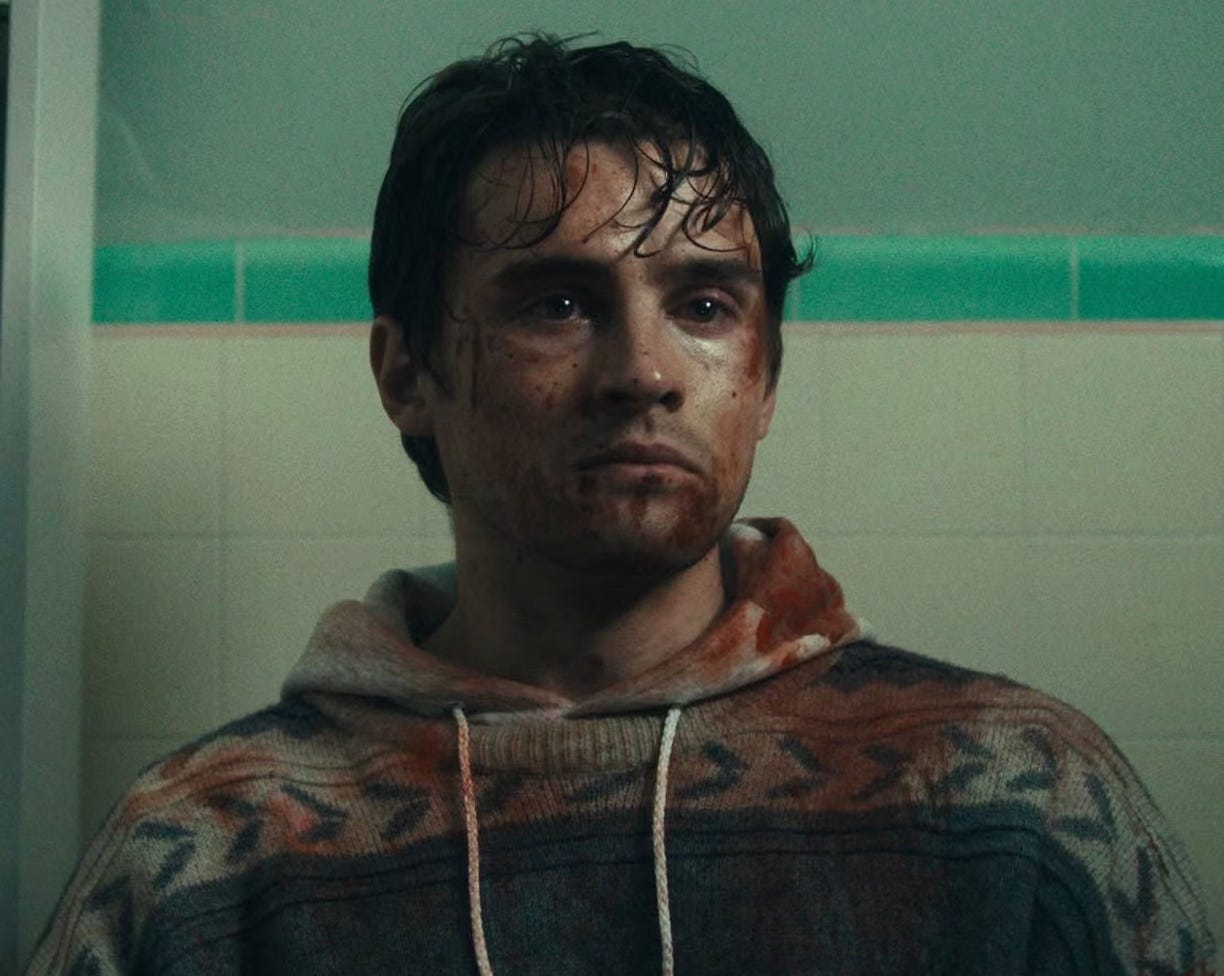
Anyway, back to Obsession. Why the staggering success of this formulaic and unashamed B-movie? It tells the story of a nervous young man Bear who dotes on the more confident and savvy Nikki, played by Inde Navarrette. He is totally unable to act, to make his desires known, and procrastinates endlessly, even rehearsing his declaration of love speech without ever delivering it. Then he stumbles upon a cheap novelty, a One Wish Willow, which when you snap it and make a wish, the wish will supposedly come true.
Well, he snaps the willow and wishes that Nikki love him more than anyone else in the world. And now the action starts. The spell works, and the remainder of the film depicts his effort to disengage from this overwhelming, unstoppable amorous force that he has unleashed. As well as driving home the old adage, ‘Be careful what you wish for’, it capitalises on the old horror-thriller trope of over-attachment.
