
Repetition
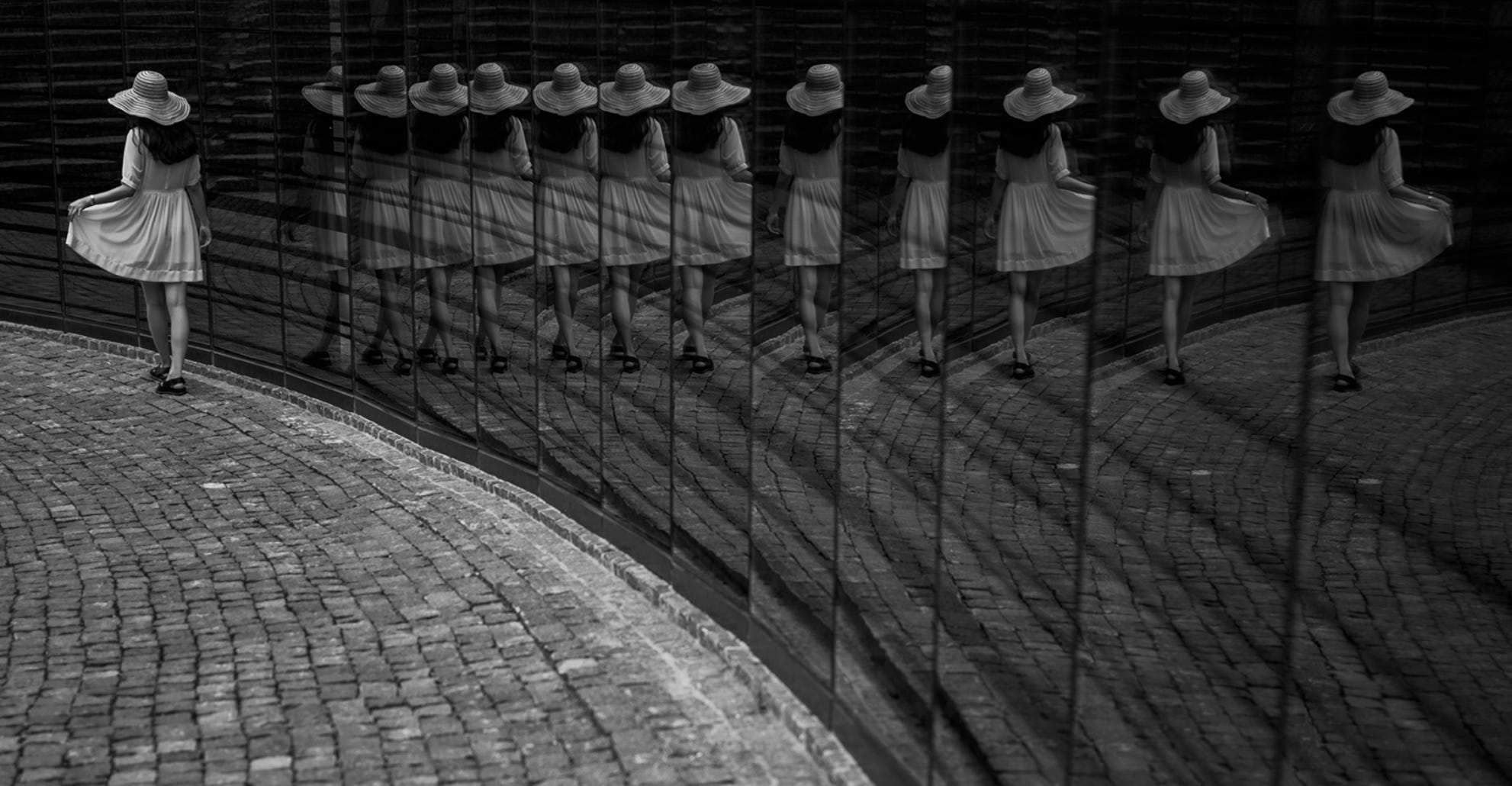
We repeat in order to reverse a situation where we might have had no control, and been purely passive

Dear Readers,
If you believe in the value of quality writing and the importance of creating a space for curiosity, critical thought, and meaningful dialogue, your subscription makes that possible.
Join as a paid subscriber to help build a community that values ideas, reflection, and the exploration of what it means to be human.
Why do we repeat not just pleasurable activities and actions but those that bring us pain, discomfort and grief? In our personal and professional lives, we so often manage to engineer the same dreadful situation, and sometimes this is the way into therapy – to try to understand and change the pattern that’s been recognized.
Freud had different takes on repetition. First, he linked it to the failure to remember. When we are unable to remember something – often a traumatic event – we repeat it instead, as if it insists in the psyche until it can be worked through via speech and, hopefully, memory.
He then explored repetition from the perspective of gaining control or mastery over the traumatic event. We repeat in order to reverse a situation where we might have had no control, and been purely passive. We now become the organizer, the one who has some measure of control over what happened. We become the director rather than the actor.
This idea of ‘mastering’ trauma is an expression that can be found at times in Freud, but he tends to be much more careful with his terms, speaking of a ‘working out’ of trauma or of a ‘restaging’, and this is a key clinical observation since the process of replaying or repeating can involve a number of changes.
We might, indeed, want to include revenge in our replaying of the scene, to pay back the person who had wronged us in the past. Even where a clear culprit cannot be identified, as in the case, say, of natural disaster, there is a tendency to find someone to blame, and this can be factored into the repetition.
